



Description
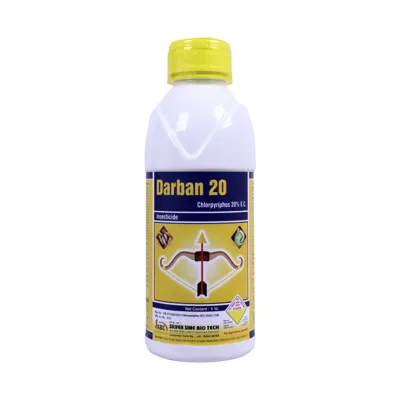
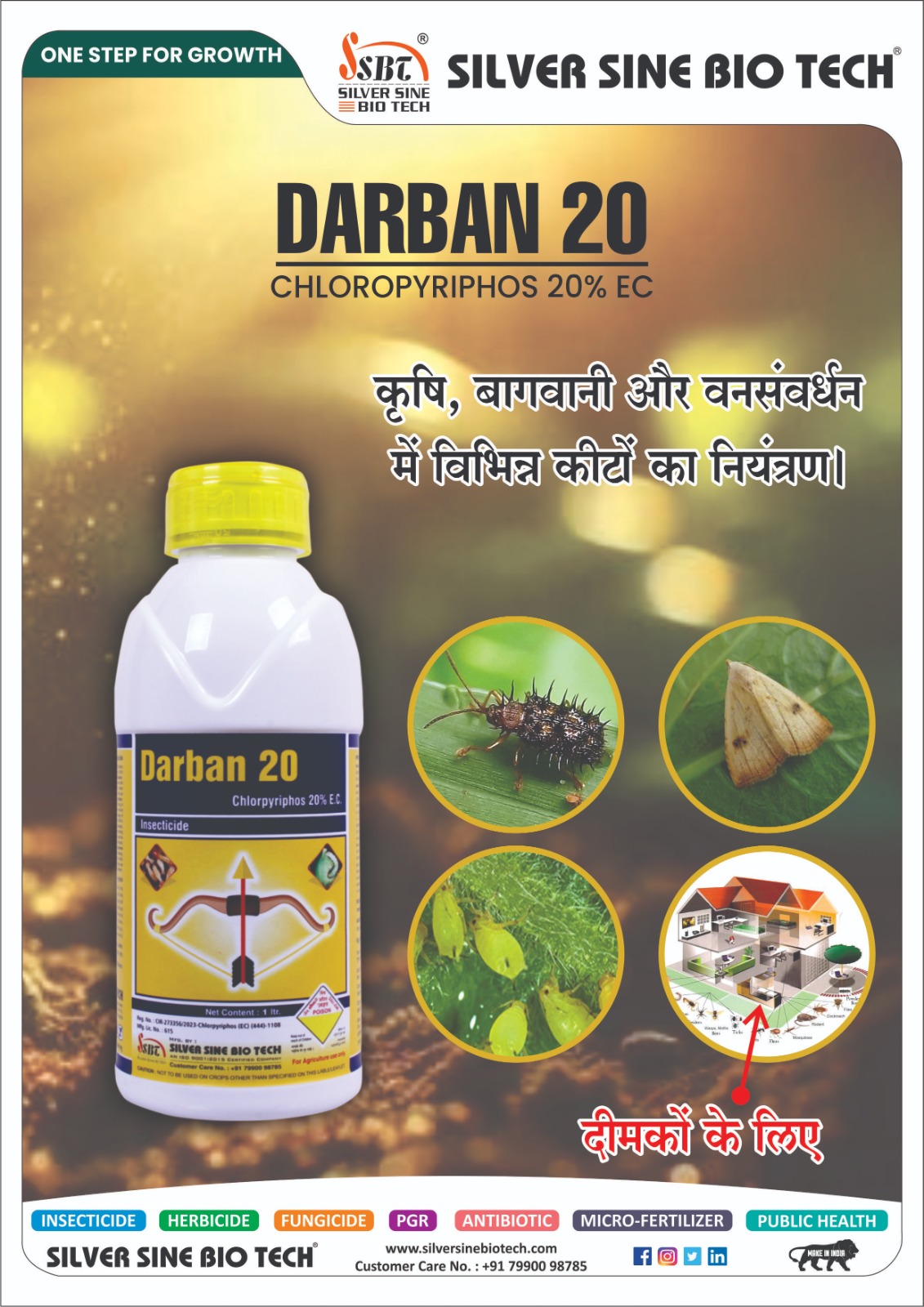
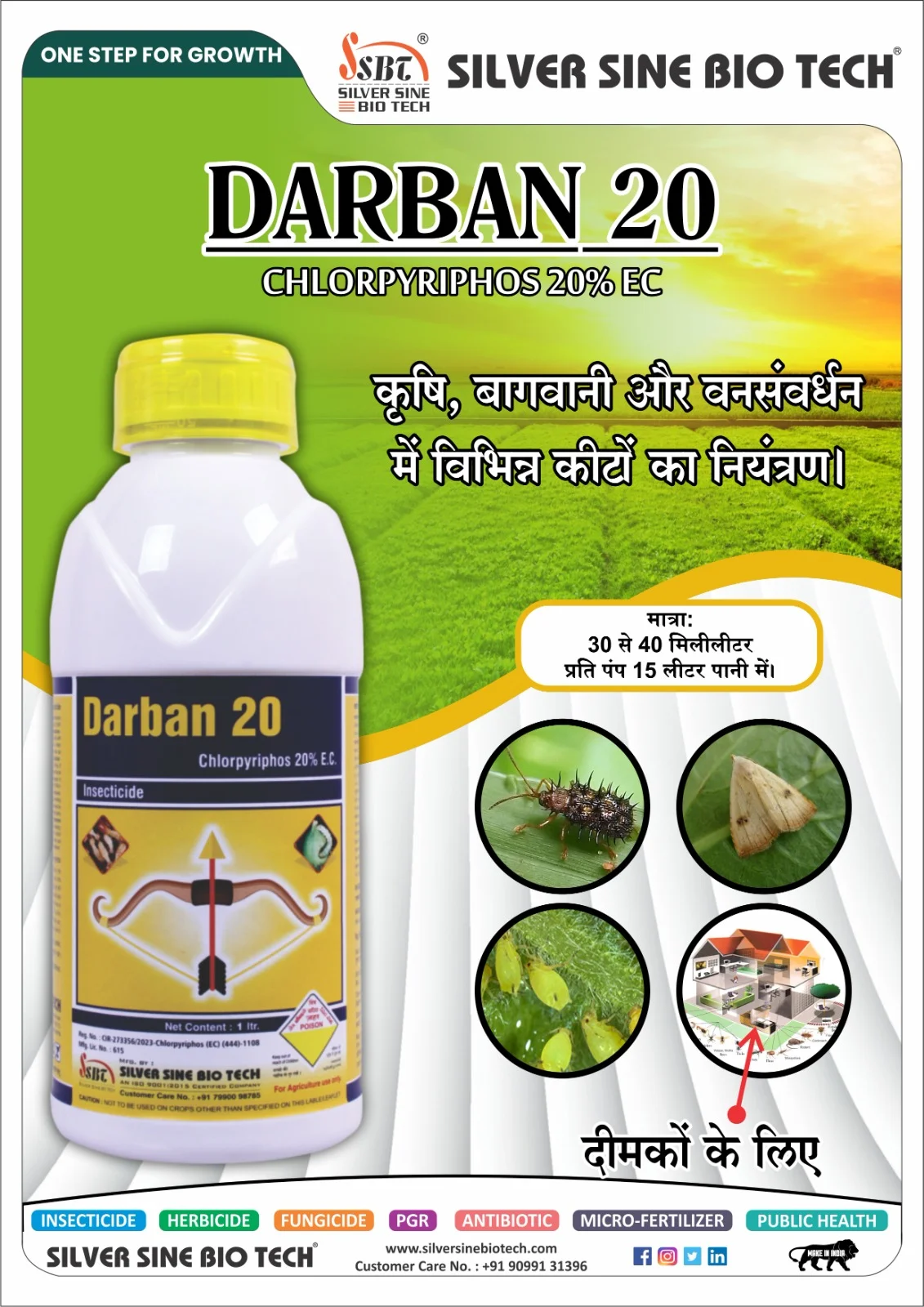
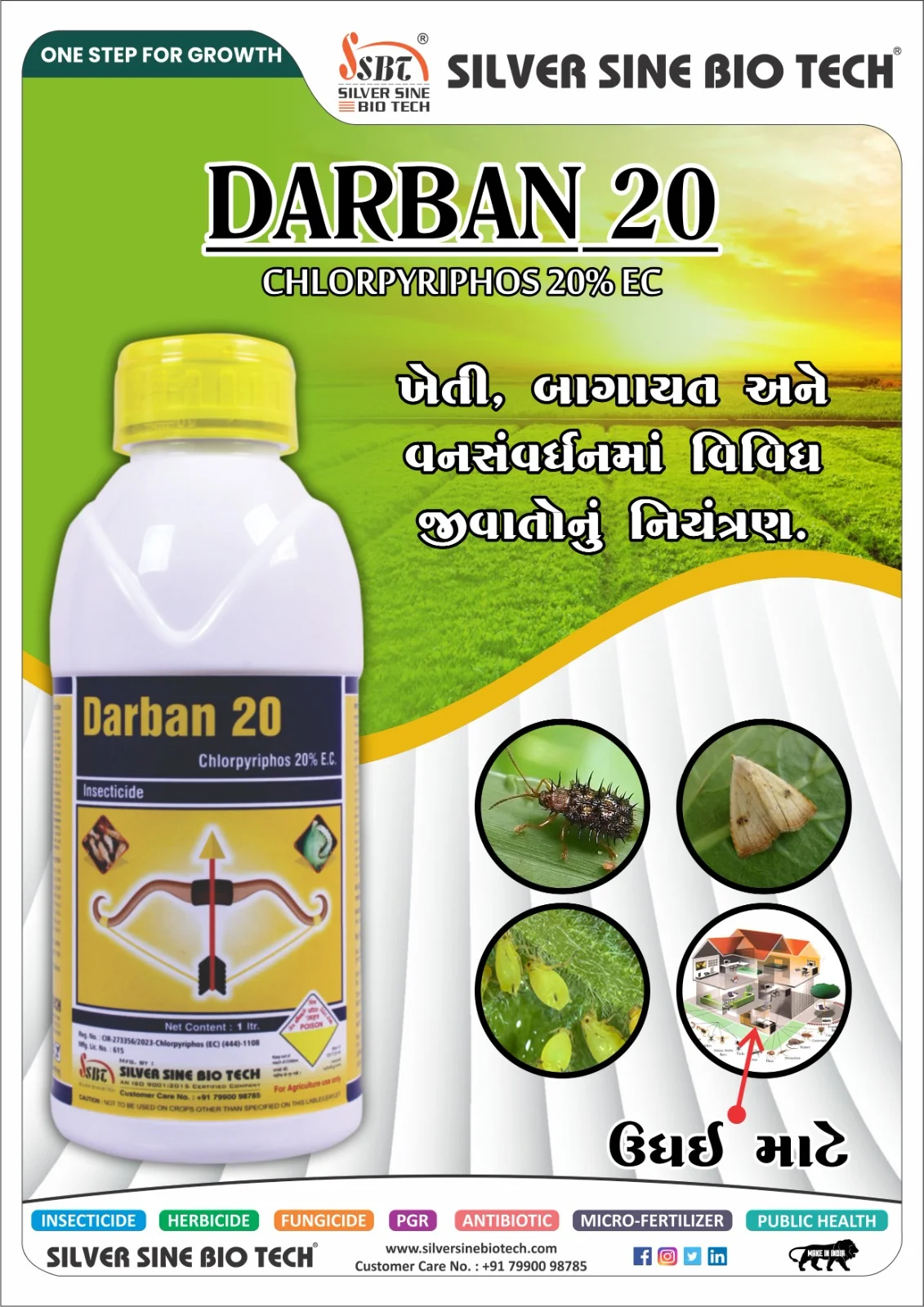
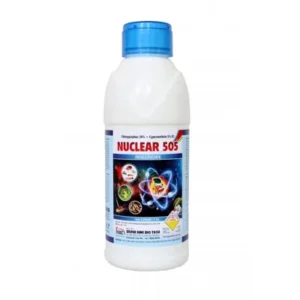
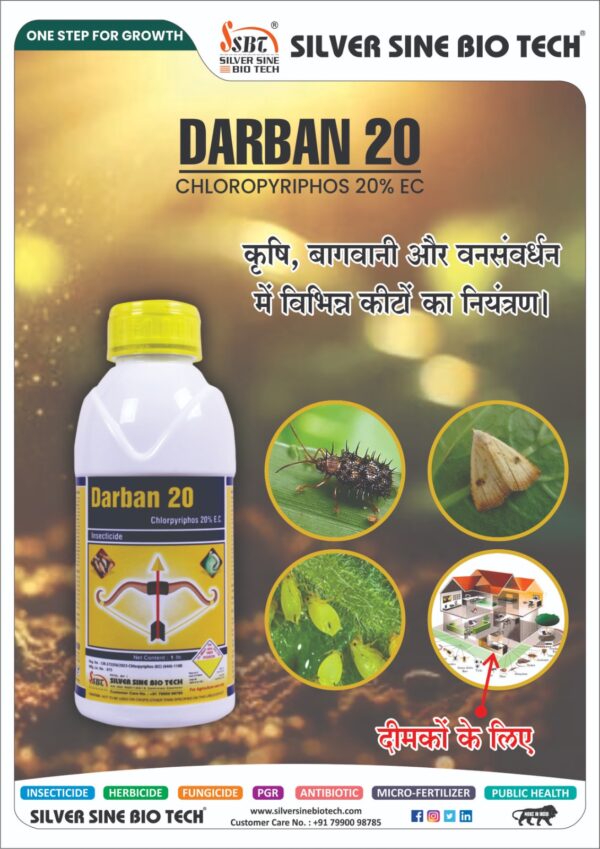
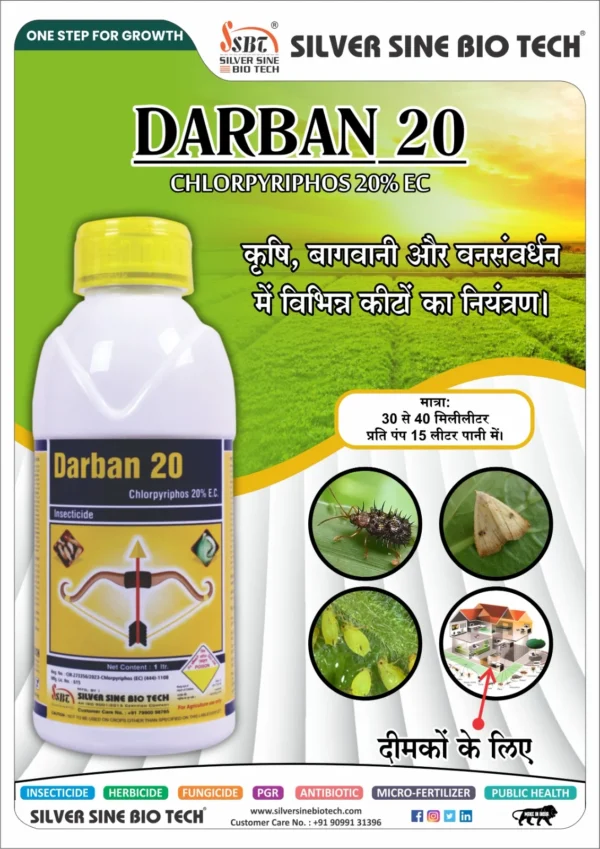
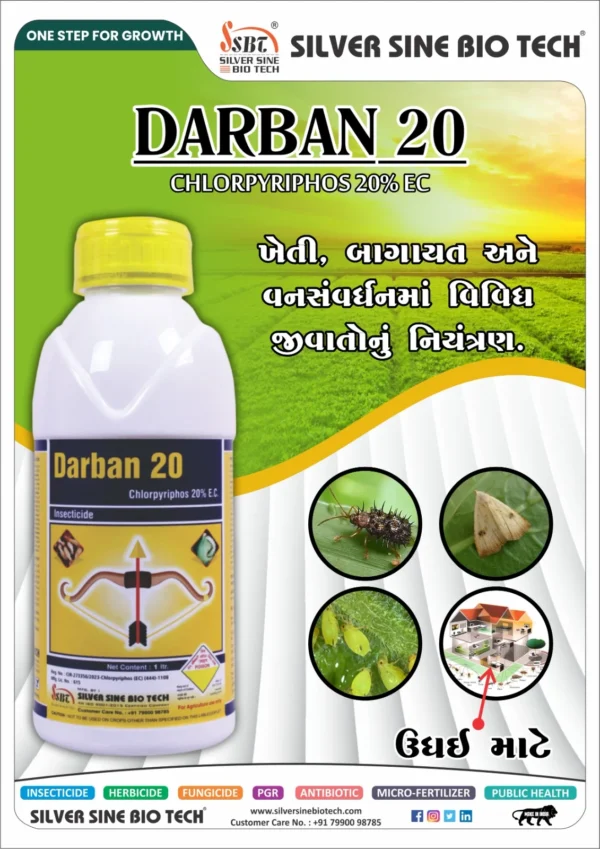
CHLOROPYRIPHOS 20% EC
DESCRIPTION: Chlorpyriphos 20% E.C. is an insecticide commonly used to control a wide range of insect pests in agriculture, horticulture, and forestry. It is a liquid formulation that contains 20% of the active ingredient Chlorpyriphos, which is a broad-spectrum organophosphate insecticide. Chlorpyriphos 20% E.C. is effective against many different types of insects, including aphids, thrips, caterpillars, and beetles, and can provide long-lasting control of these pests when used properly.
MODE OF ACTION : Chlorpyriphos 20% E.C. is an organophosphate insecticide that inhibits the activity of the enzyme acetylcholinesterase, which is responsible for breaking down the neurotransmitter acetylcholine in the nervous system of insects. By inhibiting this enzyme, Chlorpyriphos causes an accumulation of acetylcholine, leading to overstimulation of the nervous system and eventual paralysis and death of the insect.
| Crops | Target Pest / Disease | Dose Per Acre |
|---|---|---|
| Paddy | Leaf Roller | 750–800 Ml / Acre |
| Gall Midge, Stem Borer, Whorl Maggot | 500–550 Ml / Acre | |
| Citrus | Black Citrus, Aphid | 600–800 Ml / Acre |
| Cabbage | Diamond Backmoth | 600–800 Ml / Acre |
| Onion | Root Grub | 2000–2250 Ml / Acre |
| Ber / Jujube | Leafhopper | 800–1200 Ml / Acre |
| Brinjal | Shoot & Fruit Borer | 300–400 Ml / Acre |
| Apple | Aphid | 1500–2000 Ml / Acre |
| Beans | Pod Borer, Black Bug | 1200–1250 Ml / Acre |
PACKING SIZE: 100 Ml, 250 Ml, 500 Ml, 1 Ltr, 5 Ltr
BULK PACKING: 50 Ltr /100 Ltr/ 200 Ltr Drum
FEATURES & BENEFITS :
- Compatible with other insecticides and fungicides.
- Can be used as foliar sprays, soil treatments, and seed treatments.
- It has contact, stomach poison, and respiratory action.
- Non-systemic insecticide.
ANTIDOTE:
- Atropine and PAM (Pralidoxime).
- Atropine: 2–4 mg intravenously, repeated every 15 minutes until full atropinization.
- PAM (Pralidoxime): 1–2 grams intravenously, not more than 0.2 grams per minute.
- Total dose requirements are decided by medical practitioners according to the condition of the patient.
- Penicillamine: 15–40 mg/kg.